
Find the right expertise for your project
We connect researchers with specialists in diverse model systems to support innovation and refinement.
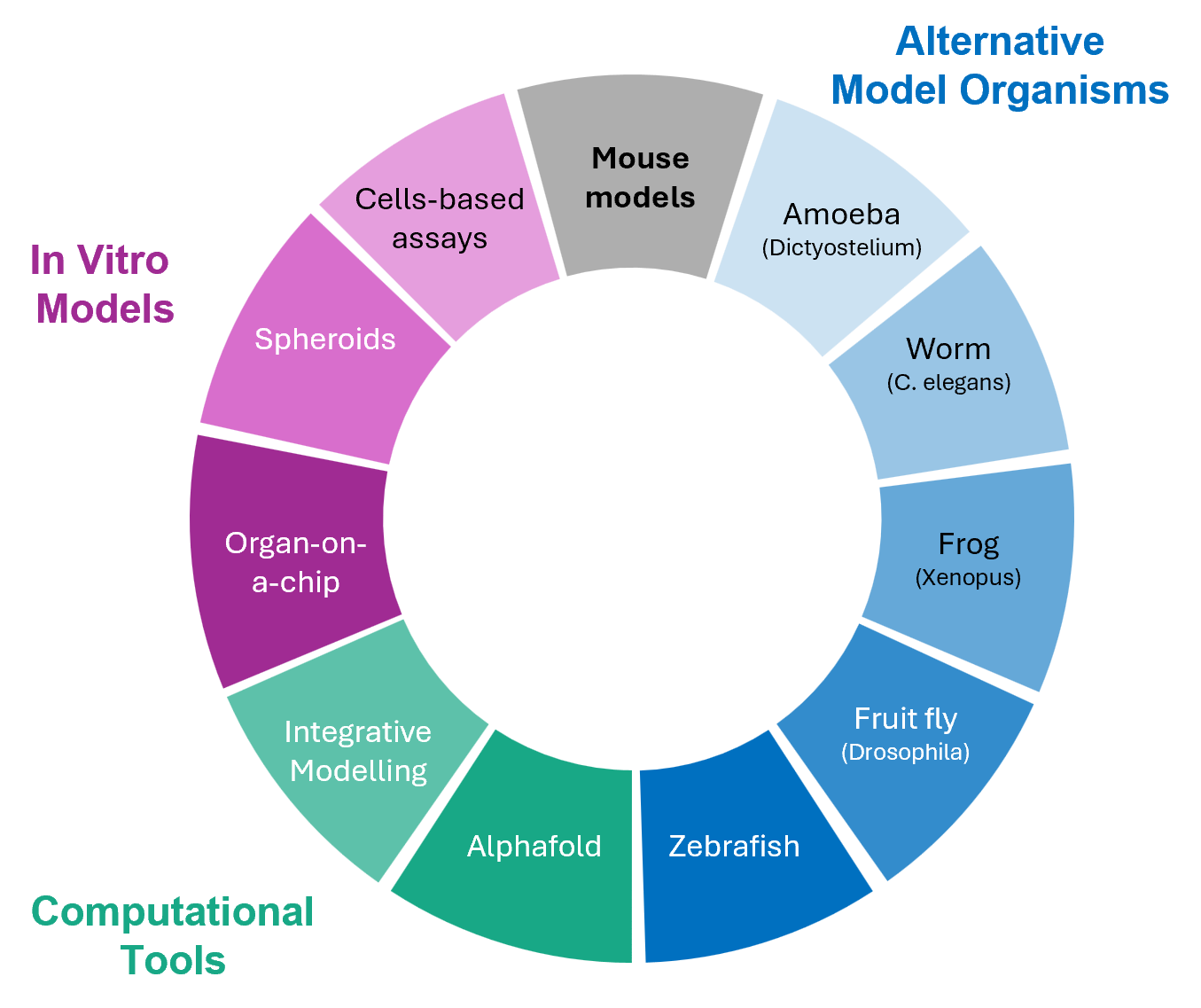
Our experts cover a broad range of biological models, from cell-based systems and organoids to invertebrates, fish, and mammalian models.
If you are considering alternatives or want advice on selecting the most appropriate model, or method, for your research, contact the NMGN Best Models Working Group.
 | Dr Cathy Vickers – 3Rs Head of Innovation, NC3Rs Cathy leads the innovation activities at the NC3Rs and has oversight of the CRACK IT Challenges programme. Cathy has experience in in vitro and in silico replacement technologies across sectors and species, with a broad reach into the industry and academic research sectors across the UK and Europe. Cathy has specific interest in human-based in vitro models for preclinical research. |
 | Dr Lydia Teboul – Mouse models Head of Molecular and Cellular Biology, Mary Lyon Center at MRC Harwell I head the genome engineering service at the MLC, where we employ a diverse array of editing and targeting techniques to generate both in vitro and in vivo models. Our team has developed novel assays and optimized workflows to ensure the quality and integrity of mutants produced using CRISPR/Cas9 as well as traditional methodologies. In addition to our technical work, I am actively engaged in advancing standards for research model validation and have contributed to the development of international guidelines in this area. |
 | Dr Douglas Strathdee – Mouse models Head of Transgenic Technology Facility, CRUK Scotland Institute In 2009 I moved to the CRUK Beatson Institute as Head of the Transgenic Technology lab, where we generate and study models of human diseases. I have experience of mouse genetics, generation of disease models by genome editing and gene targeting and their application to cancer and rare disease research. I can advise on state-of the-art technologies to generate new mouse models and how to use these effectively. |
 | Dr William Grey – PDX and ex vivo models Group Leader PROTEOSTEM, University of York My group’s primary focus is healthy and malignant blood stem cell biology, with a special interest in protein homeostasis. We use classic genetically modified mouse models, patient derived xenografts and cutting-edge ex vivo approaches to study the fundamental biology of blood stem cells. We offer advice and expertise across a range of approaches. In particular we lead the U.K. PDX Biobank, develop new approaches to expand blood stem cells ex vivo for regenerative medicine approaches and have developed novel low-input proteomic and super-resolution imaging techniques. |
 | Dr Andrew Wood – Mouse models / in vitro Reader and Chancellor’s Fellow, University of Edinburgh My lab uses genome editing and targeted protein degradation to study genetic disease and therapy using cell lines, organoids, and mice. We have expertise in the use of degron tagging, which enables tagged proteins to be rapidly degraded using drug-like molecules to study their function and validate their potential as drug targets. |
 | Prof Karen Blyth – Mouse models / in vitro Group Leader In Vivo Cancer Biology, CRUK Scotland Institute Using genetic and transplantation mouse models of cancer to better understand the mechanisms of cancer biology and discover new and repurposed therapeutic options for treating the disease. Obviously, we use in vitro models (cell culture and 3D models) prior to any mouse work and then in parallel to discern molecular pathways and mechanisms. |
 | Prof Owen Sansom – Mouse models / in vitro Director of the CRUK Scotland Institute, Director of NMGN Colorectal Cancer is the third most common cancer in the western world. My group focuses on colorectal cancer and Wnt signalling to try to understand the early changes associated with intestinal neoplasia to identify novel markers of disease and new targets for therapy. We have created a wide range of advanced mouse models matching a variety of human CRC subtypes. |
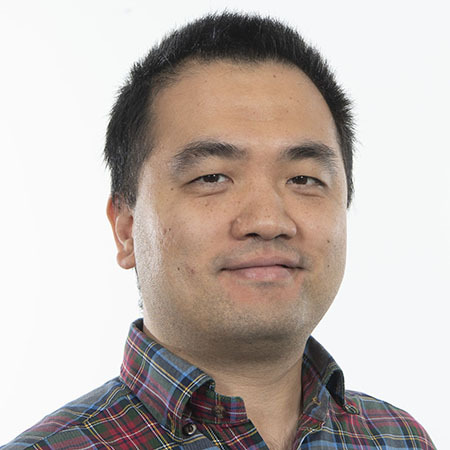 | Dr Xiao Fu – Integrative modelling Senior Lecturer Integrative Modelling, CRUK Scotland Institute Our group based at the CRUK Scotland Institute develops data science and computational modelling approaches to study the spatial organisation of the tumour and its surroundings. The data science strand focuses on developing quantitative features that describe the spatial arrangements of cells and identifying important features correlated with clinical outcomes; the computational modelling strand focuses on constructing math/physics-inspired reductionist representation of cellular interactions and performing computer simulations to study the temporal dynamics of tumour development. We are interested in answering fundamental questions such as how tumour grows and interacts with its surroundings and how to improve treatment outcomes. |
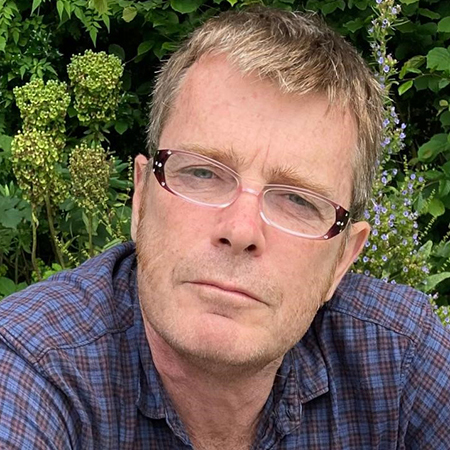 | Prof Robin Williams – Dictyostelium Senior lecturer in Integrative Physiology, Lancaster University Our research focuses on finding out how drugs, herbal remedies and traditional medicines work to treat diseases. Using Dictyostelium in this research lets us use a range of unique experiments to identify specific proteins in cells that are a target by these medicines. With this understanding, we can then confirm these effects in human cells, such as stem cells, from healthy individuals and those with specific diseases. Together, this research improves our understanding of the origins of diseases and develops better medicines that are more potent or safer that current treatments, to improve societal health and wellbeing. |
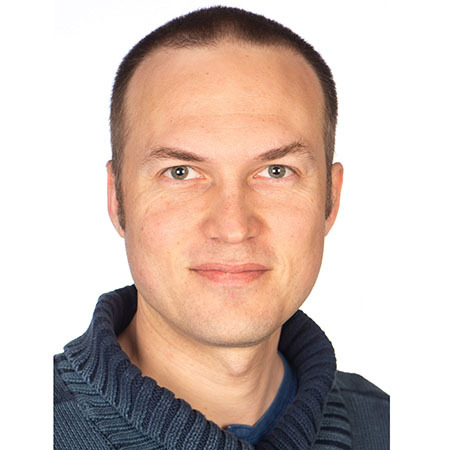 | Dr Alex Benedetto – C. elegans Senior lecturer in Integrative Physiology, Lancaster University Integrative physiology, gut-brain axis, stress, ageing, death, brain imaging, microscopy. |
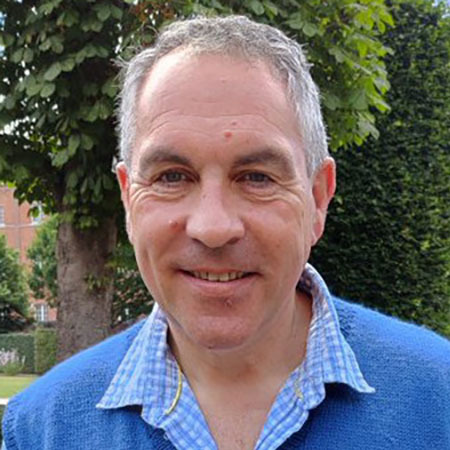 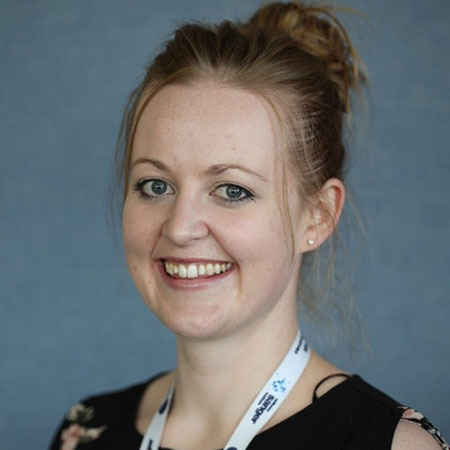 | Prof Matthew Guille – Xenopus Professor of Developmental Genetics, University of Portsmouth Dr Annie Godwin – Xenopus Senior Lecturer Protein Engineering and Synthetic Biology, University of Portsmouth Matt Guille and Annie Godwin co-lead the European Xenopus Resource Centre. As well as making, curating and providing GA and wild-type animals, the centre acts as a training hub and research hotel for Xenopus specialists and non-specialist researchers alike. A large team of scientists and animal technologists can advise or collaborate to make gene and base-edited embryos to mimic rare disease variants or for discovery research. A key element of our vision of the centre is to make it easy to use Xenopus, positioning them as the go-to model bridging the gap between zebrafish and mice; evolutionarily close enough to humans for translational insights whilst retaining the experimental power of zebrafish with abundant, easily accessible embryos. |
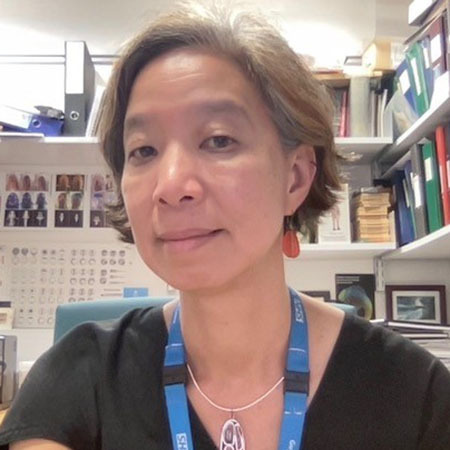 | Prof Karen Liu – Mouse models / Human Stem Cells / Xenopus Professor of Genetics and Development, King’s College London I am a developmental biologist working on the functional genomics of congenital anomalies. We use human stem cells and animal models such as mouse and frog to model genetic disorders linked to the neural crest. These include common craniofacial anomalies such as cleft palate, to rare genetic disorders and cancers. Our goal is to improve diagnostic approaches and identify new avenues for therapeutics in rare disease. |
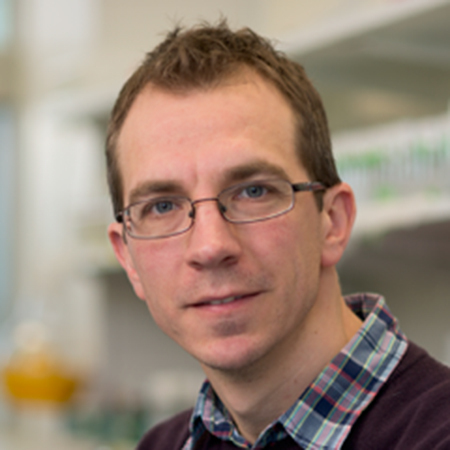 | Dr Alex Whitworth – Drosophila Group Leader, MRC Mitochondrial Biology Unit, Cambridge Drosophila models of neurodegenerative diseases, mitochondrial dysfunction, mtDNA mutations, calcium signalling, inter-organ signalling, microbiome. |
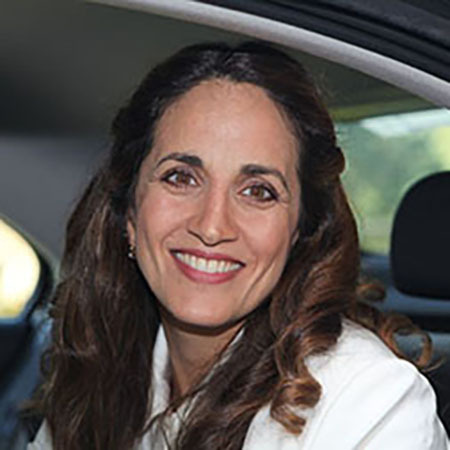 | Prof Julia Cordero – Drosophila Group Leader Local and Systemic Functions of the Intestine in Health and Disease, CRUK Scotland Institute The fruit fly Drosophila melanogaster provides unparalleled genetic power and amenability for multi-organ in vivo studies. We use Drosophila as a primary research model system to study adult intestinal biology in the context of physiology and pathological settings. Research in the Cordero laboratory is devoted to understanding how intestinal stem cells adapt and respond to changes in their micro- and macro-environment, how the intestine senses and controls whole-body homeostasis and how intestinal dysfunction can lead to broader organismal instability. |
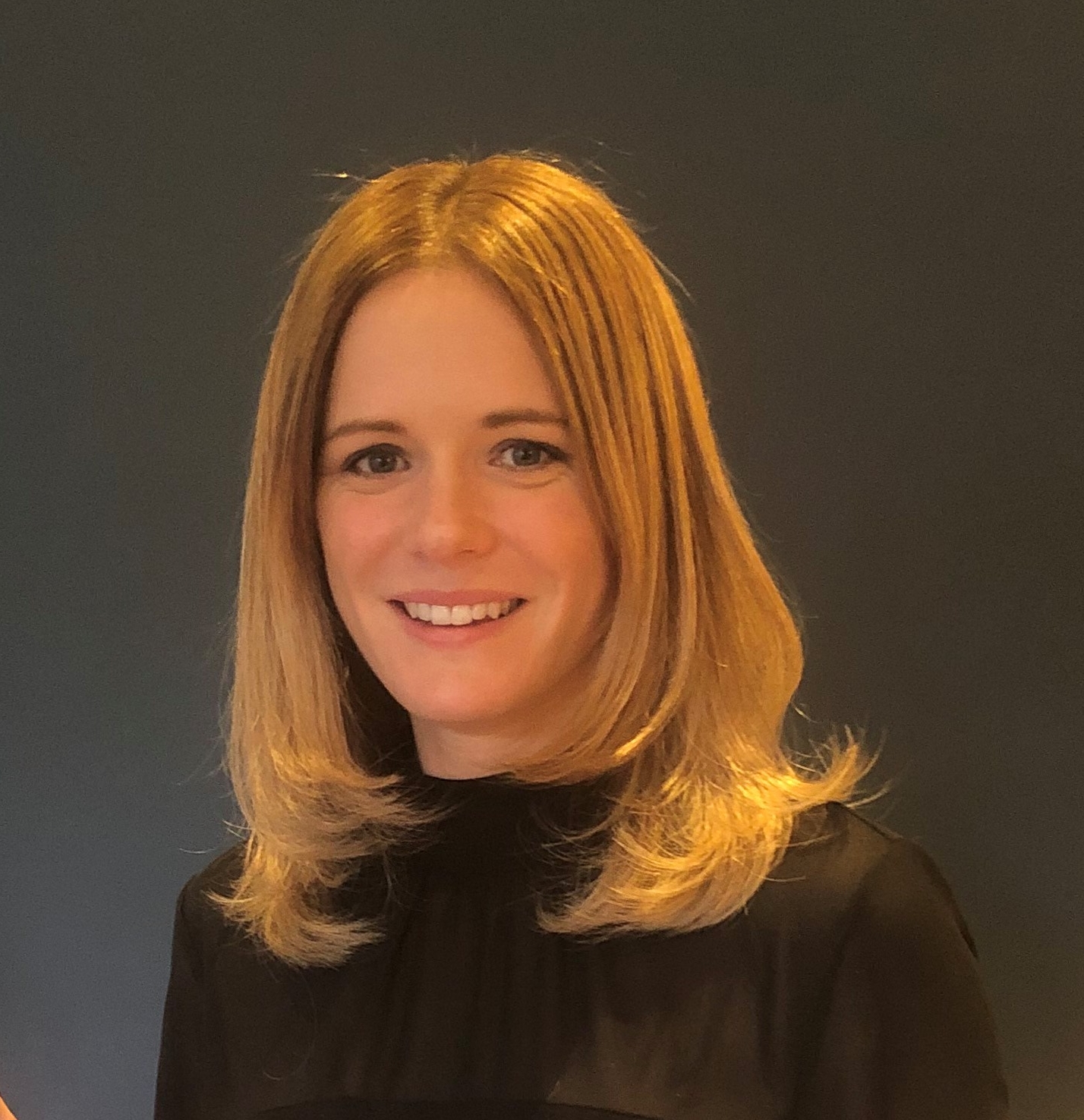 | Prof Laura Greaves – Cell lines, organoids, mouse Professor of Molecular Pathology, Newcastle University, University of Glasgow My name is Laura Greaves, and my research group is dedicated to investigating the role of age-related mitochondrial DNA mutations in cancer biology. We aim to understand how these mutations contribute to tumour development and progression, and to identify ways in which they may be targeted for therapeutic benefit. Our work integrates a range of experimental systems, including mouse models, organoid cultures, and cancer cell lines, to address fundamental mechanistic questions and to evaluate tumour responses to both standard-of-care chemotherapies and novel therapeutic agents |
